Terroir & Tradition: The Regenerative Vineyards of Georgia
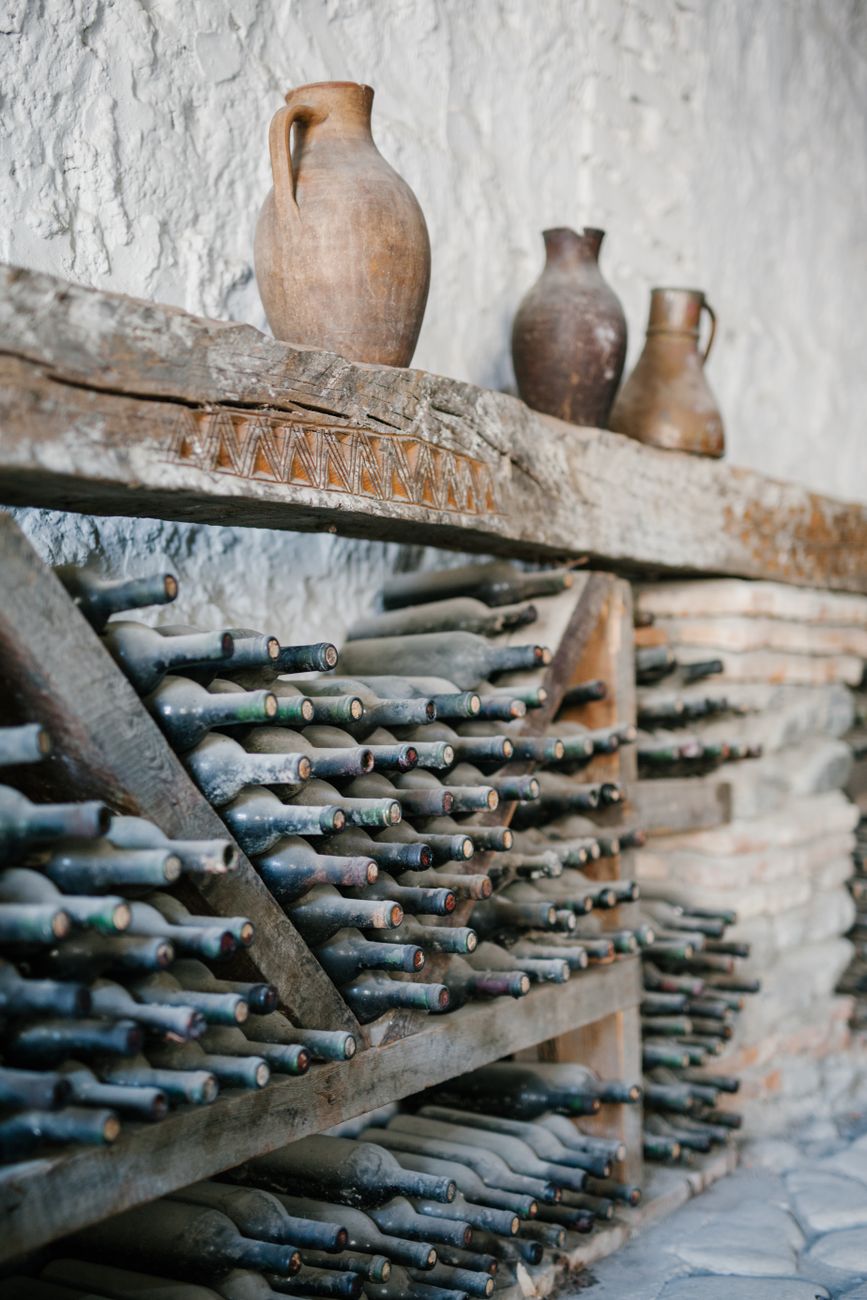
Long before oak barriques and temperature-controlled stainless steel fermentation tanks came to dominate modern enology, winemakers in the valleys of Kakheti were burying beeswax-lined clay amphorae called qvevri deep beneath the earth. Eight thousand years later, this fundamental dialogue between grape, clay, and underground temperature remains virtually unchanged.
The Amber Alchemy of Prolonged Skin Contact
In traditional Georgian vinification, crushed white grape varieties like Rkatsiteli and Kisi are sealed into subterranean vessels along with their skins, seeds, and stems (the chacha). Kept at stable subterranean temperatures throughout the winter, the wine emerges in spring as a brilliant amber nectar possessing tannic grip, notes of dried apricot, tea leaves, and wild honey.
Living Heritage in the Alazani Valley
Traveling between these family-owned maranis (wine cellars) requires slow, dusty journeys through walnut groves and views of the snow-capped Greater Caucasus. There are no industrial tasting rooms with commercial merchandise here. Instead, visitors are invited into open stone courtyards for communal supras (feasts), where multi-part polyphonic singing fills the night air.